Diabesity

Living with diabesity in Pakistan

Take control of your health today

ذیابیطس اردو میں معلومات

Mission

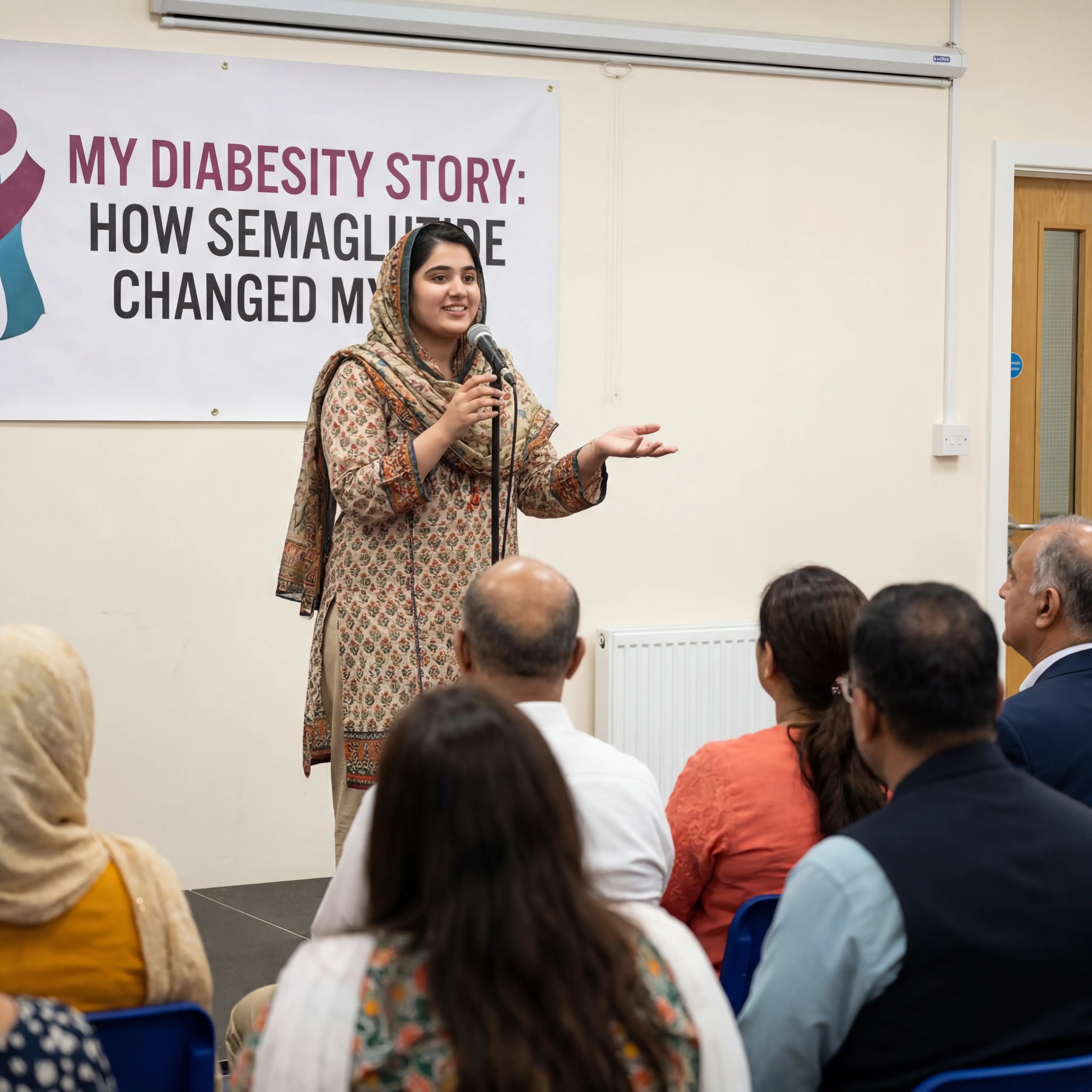
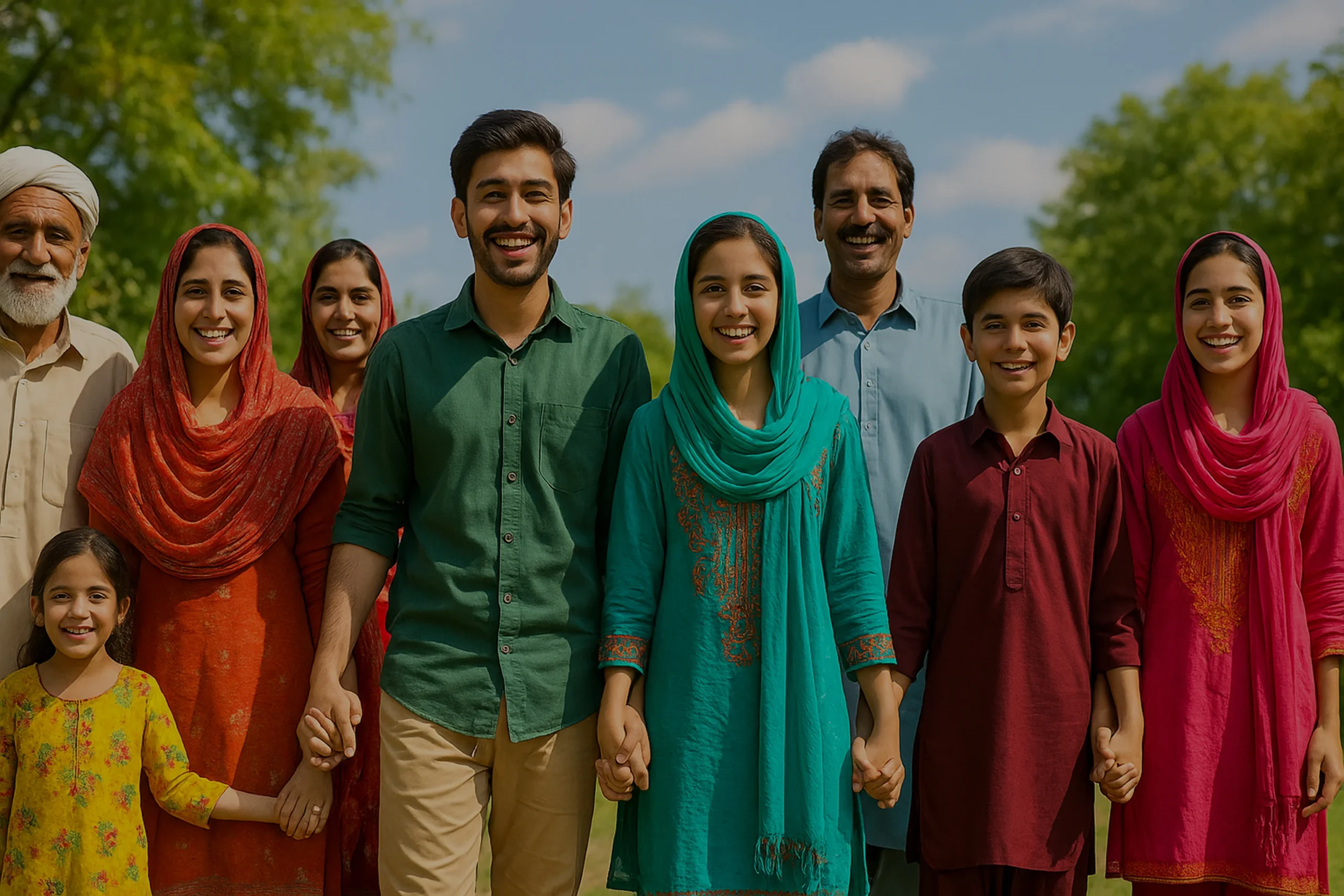
We believe every person in Pakistan deserves a life free of diabesity, and we are here to be your compassionate partner in making that a reality. We provide access to reliable information from healthcare experts, explaining complex topics in simple English and Urdu, while fostering hope through the real stories of Pakistanis who have transformed their health. To support you at home, we offer a library of practical resources like meal plans and exercise routines designed for your family and lifestyle.

A reality we can face together

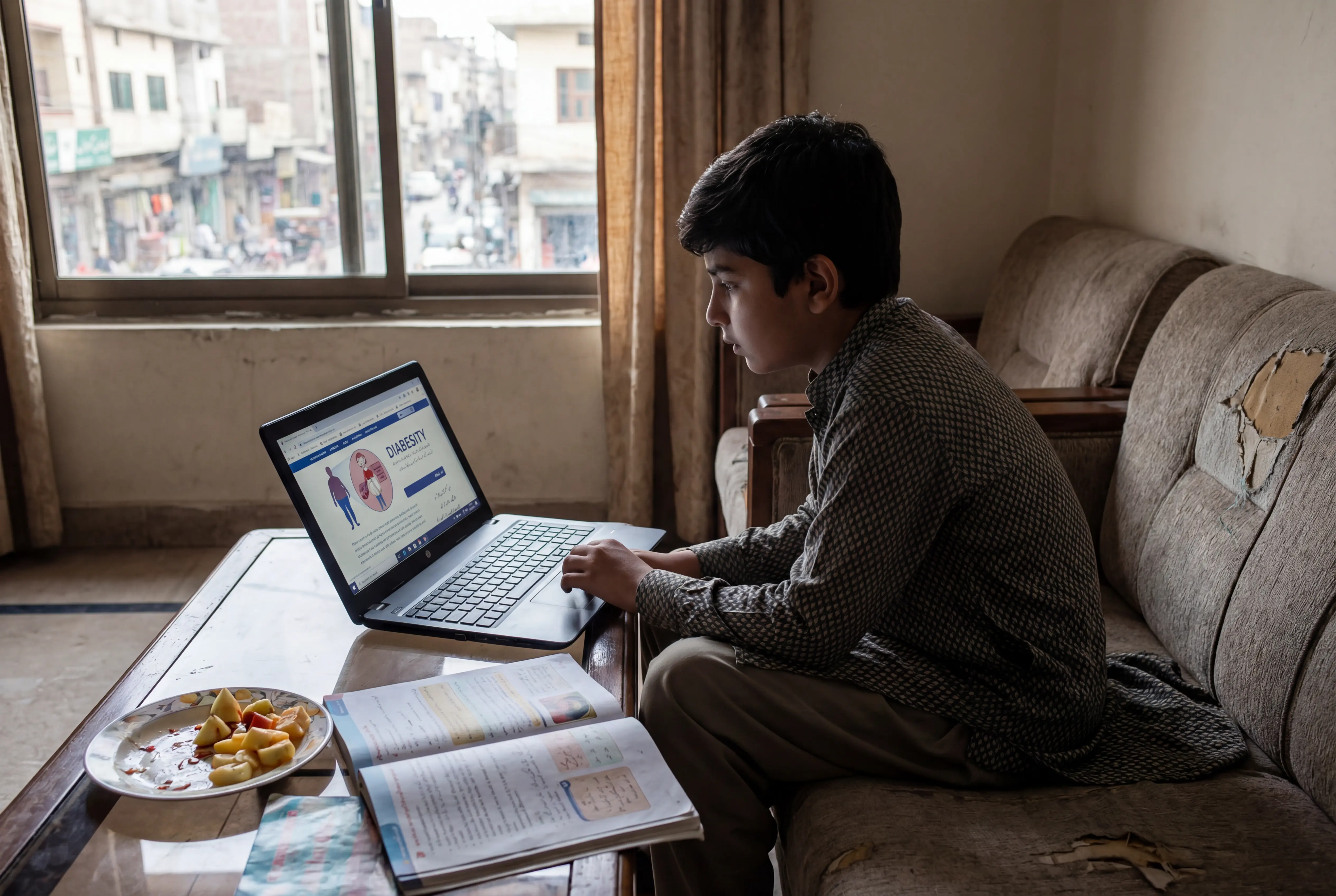
In Pakistan, the combination of diabetes and obesity—"diabesity"—has become one of our most urgent health challenges. With 1 in 4 adults projected to face obesity by 2035 and diabetes already affecting 26.7% of our population, the numbers are serious. Our modern lives, from the convenience of fast food to more sedentary habits, have fueled this rise.

SERVICES

We help you succeed

From finding a specialist to creating healthy meals, here's everything you need to take control

FAQs

The answers to all your questions

Expert-verified answers from our team of healthcare professionals

Eating out doesn’t have to mean giving up control. In Pakistan, menus are full of tempting carb-heavy dishes, but you can make smart swaps. Choose grilled or baked meats over fried. Ask for roti made from whole wheat instead of naan, and skip the extra oil. Load your plate with salad or sautéed vegetables before touching the rice or bread. If you’re at a dhaba, go for daal with a side of mixed sabzi instead of biryani. And remember — portion size matters. Share a dish with a friend or ask for half to be packed. You’ll leave satisfied, not stuffed, and your blood sugar will thank you.
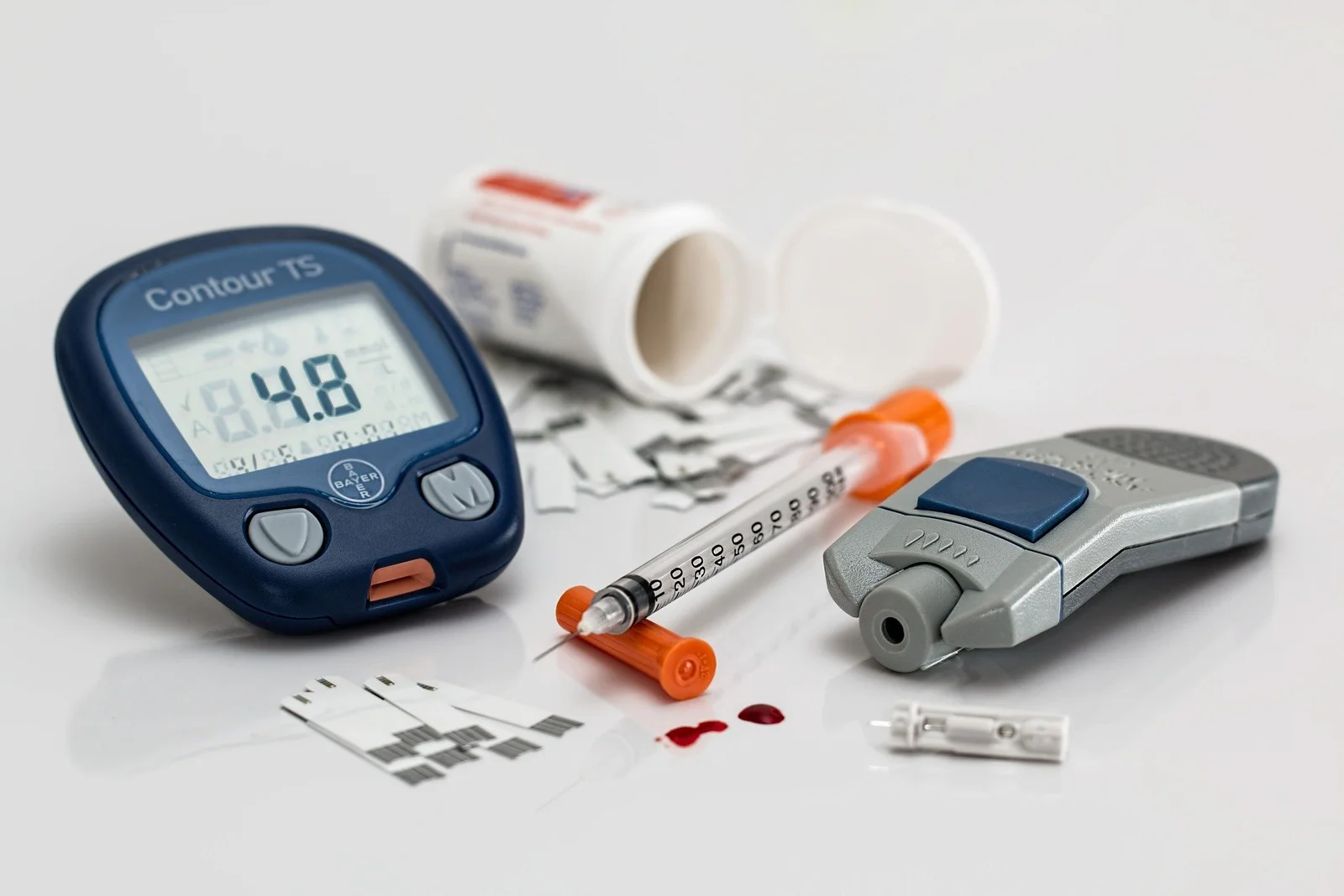
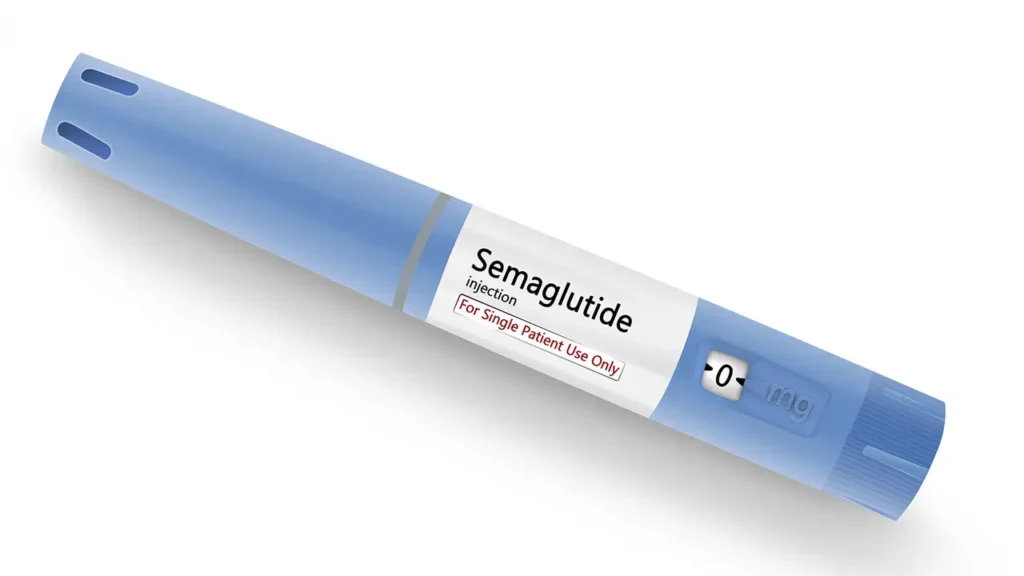
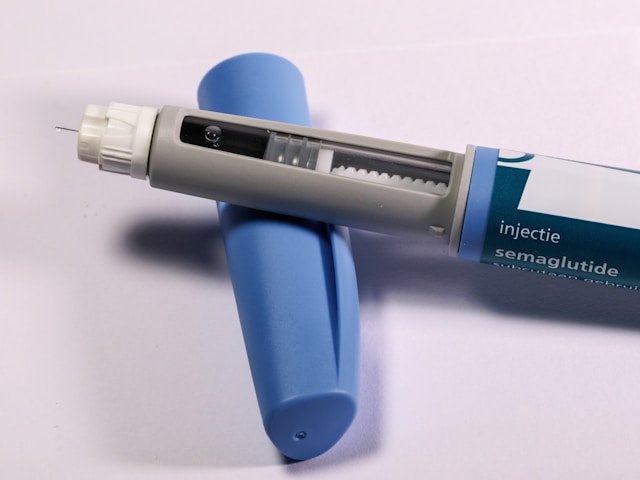
GLP-1 receptor agonists are a newer type of diabetes medicine that work with your body’s natural hormones. They help your pancreas release insulin when needed, slow down digestion so you feel fuller, and can even help with weight loss — which is important since obesity and diabetes often go hand in hand in Pakistan. They usually come as weekly or daily injections, but the needles are tiny and easy to use. They’re not for everyone, and they can be costly, so discuss with your doctor whether they fit your treatment plan. For many, GLP-1s are a game-changer in controlling blood sugar and reducing heart risks.
Hearing “You have diabetes” can feel like a punch to the gut. But here’s the truth: diabetes is not the end of your story — it’s a new chapter. In simple terms, your body is struggling to manage sugar (glucose) in your blood, either because it’s not making enough insulin or not using it well. Left unchecked, high sugar can harm your heart, eyes, kidneys, and nerves. But with the right habits, medication, and mindset, you can live a long, healthy life. Many Pakistanis manage their diabetes while running businesses, raising families, and enjoying life — and so can you. The key is to learn, act, and stay consistent.
Sweet cravings are real — and in a culture where mithai, chai, and desserts are part of every celebration, resisting them can feel impossible. Instead of banning sweets completely (which can backfire), learn to manage them. Choose smaller portions — one gulab jamun instead of three. Swap sugary drinks for unsweetened lassi or lemon water. Keep fruit like guava or apple handy for when cravings hit. And remember, cravings often fade after 10–15 minutes — distract yourself with a short walk or a phone call. Over time, your taste buds will adjust, and you’ll find you need less sugar to feel satisfied.
Missing doses can quietly undo your progress. In our busy Pakistani routines — juggling work, family, and social commitments — it’s easy to forget. The trick is to link your medication to something you already do daily: after brushing your teeth, before your morning chai, or right after dinner. Use your phone’s alarm, a pillbox with daily compartments, or even a sticky note on the fridge. If you travel often, keep a spare strip in your bag or car. Remember, diabetes medicines work best when taken consistently — skipping “just one day” can cause sugar spikes and long-term harm. Make it part of your routine, not an afterthought.
It’s natural to ask “Why me?” Diabetes can be influenced by many factors — family history, weight, diet, stress, and even certain illnesses. In Pakistan, high-carb diets, low physical activity, and rising obesity rates have made type 2 diabetes more common. This isn’t about blame — it’s about awareness. Knowing your risk factors helps you take control. Even if genetics played a role, lifestyle changes can slow or even reverse early damage. Instead of focusing on “why,” focus on “what now” — the steps you can take today to protect your future.
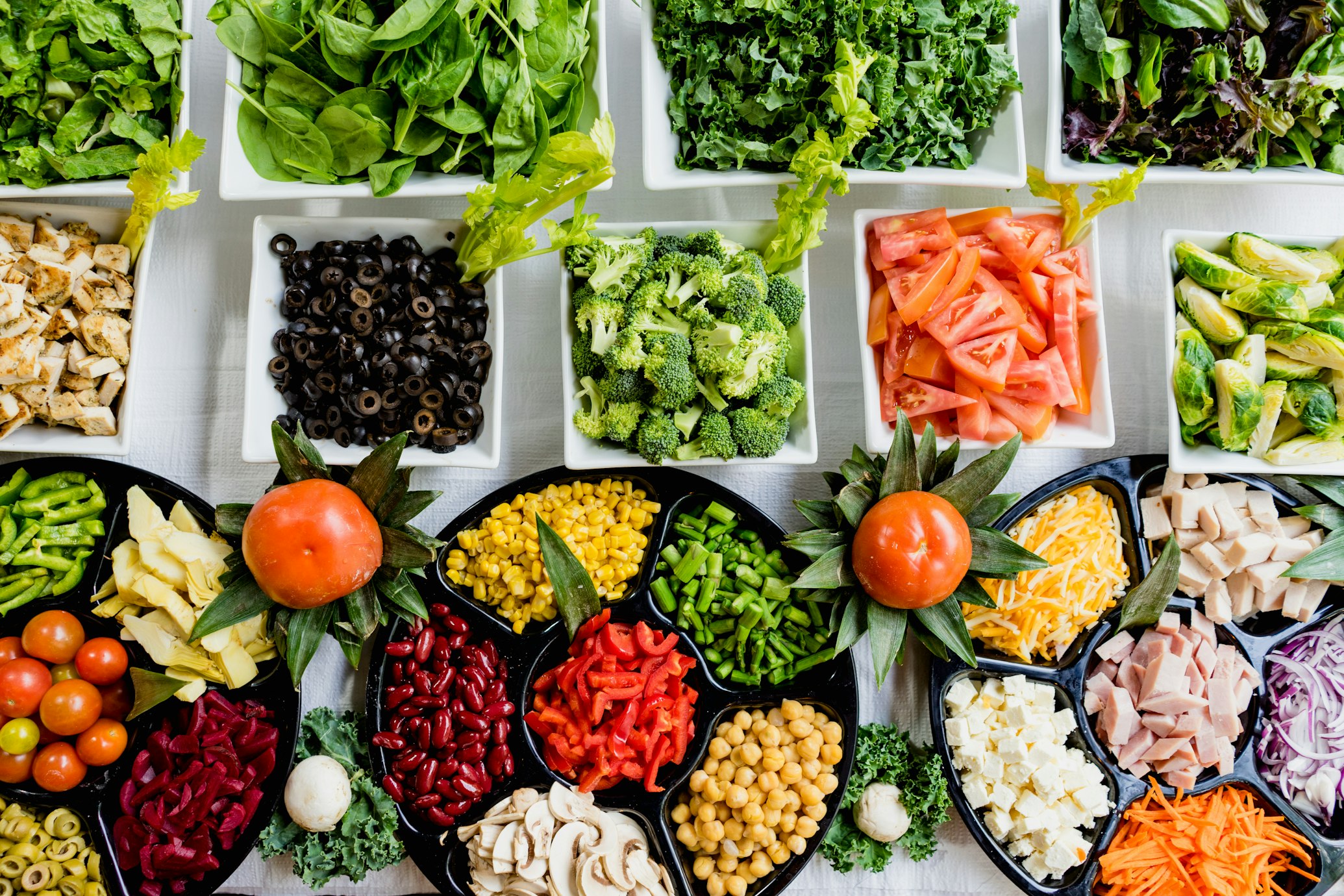
It can feel like your entire menu has been taken away — but in reality, you still have plenty of delicious options. Think of your plate in three parts: Half vegetables — sabzi, salad, or lightly cooked greens. One-quarter lean protein — chicken, fish, daal, or eggs. One-quarter whole grains or healthy carbs — whole-wheat roti, brown rice, or small portions of boiled potatoes. Avoid sugary drinks like cola or packaged juices; choose water, unsweetened lassi, or green tea instead. In Pakistan, small swaps — like grilled kebab instead of fried samosa, or roti instead of naan — can make a big difference. You’re not giving up flavour; you’re choosing foods that keep your sugar steady and your energy high.
GLP-1 medicines are generally safe for many people with type 2 diabetes, but they’re not for everyone. They can cause side effects like nausea, stomach upset, or constipation — usually mild and temporary. People with certain thyroid or pancreas conditions may need to avoid them. In Pakistan, where access and cost can be challenges, it’s important to have an honest discussion with your doctor about your health history, budget, and goals. If prescribed, start slowly, follow instructions carefully, and report any unusual symptoms. Safety isn’t just about the medicine — it’s about the right medicine for the right person.